



Helping Parents Understand Their Child Early Development Better
Aug. 15, 2026
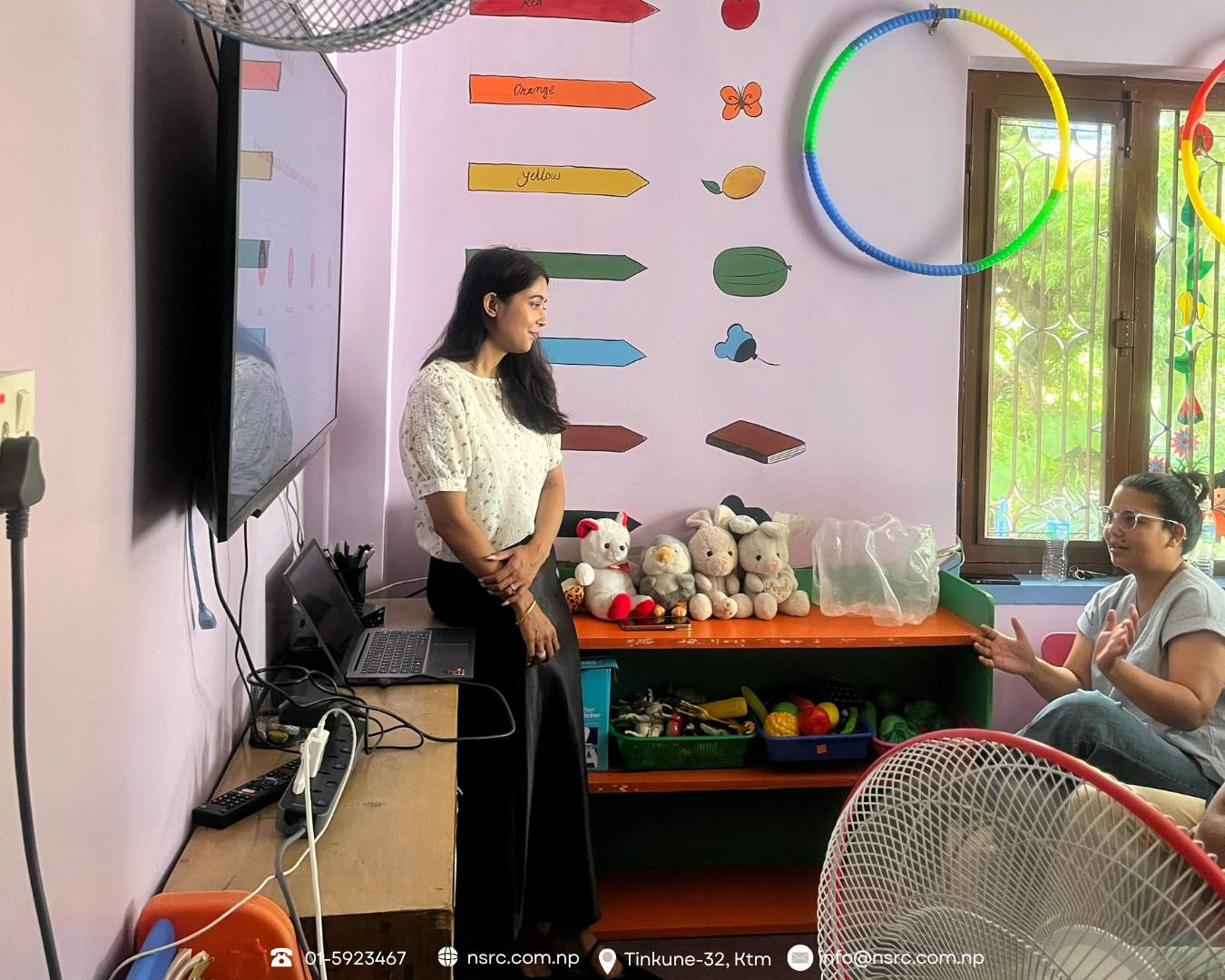
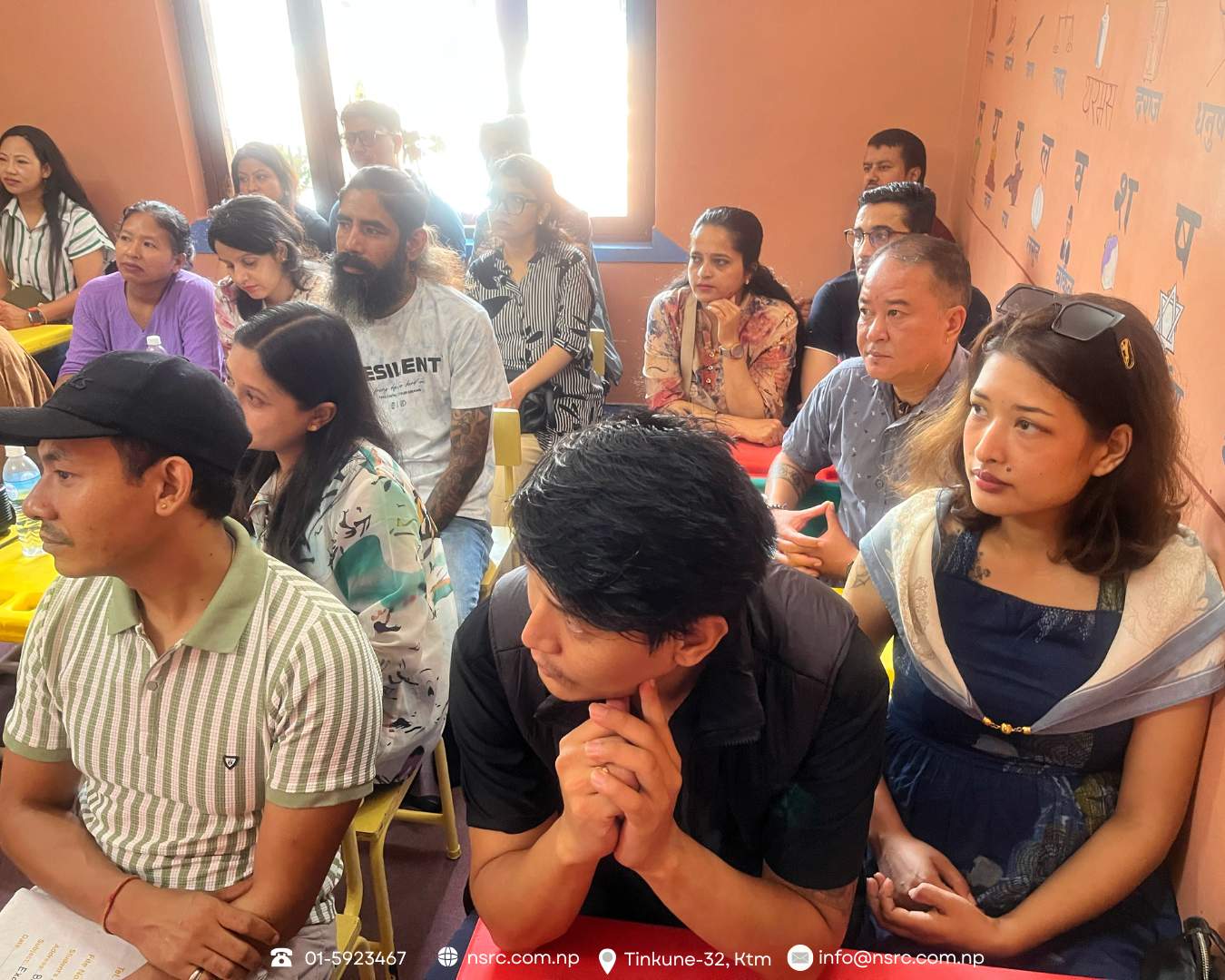
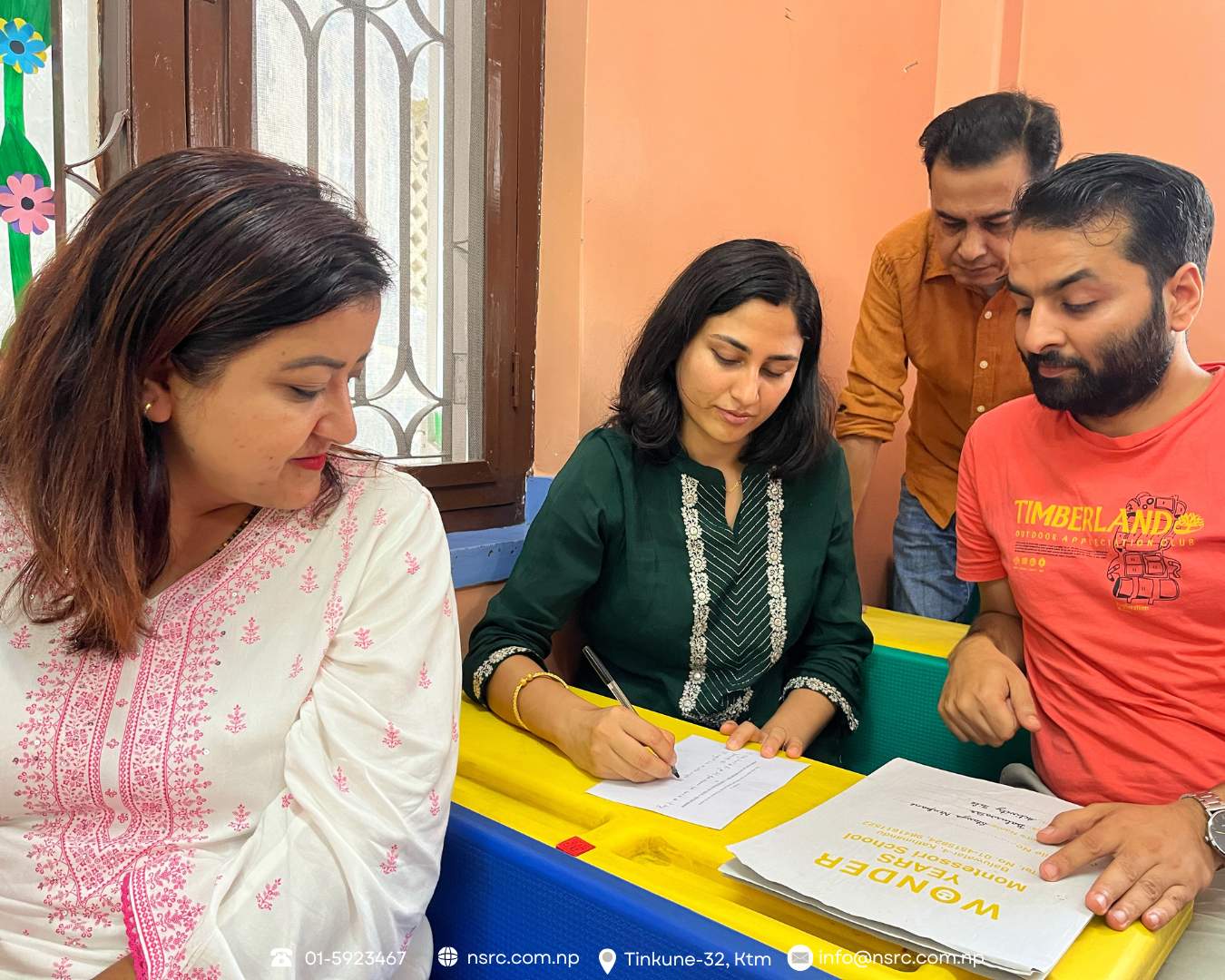
On 15 August 2026, National Solution and Research Centre (NSRC), in collaboration with Wonder Years Montessori School and Activity Centre, organized an interactive parenting session titled “Understanding Your Child’s Early Development.” The session was conducted alongside the Montessori’s result-day activities, creating an opportunity for parents to look beyond academic performance and focus on children’s overall development, behavior, emotional needs, and parent-child relationships.
The program was designed as a warm and participatory space where parents could understand how young children develop and learn, particularly during the early years of life. The discussion highlighted the importance of the first six years, children’s growing need for independence, and the ways children learn through observation, experience, and everyday interactions. Parents were also encouraged to reflect on how their own responses and interactions can influence their child’s development.
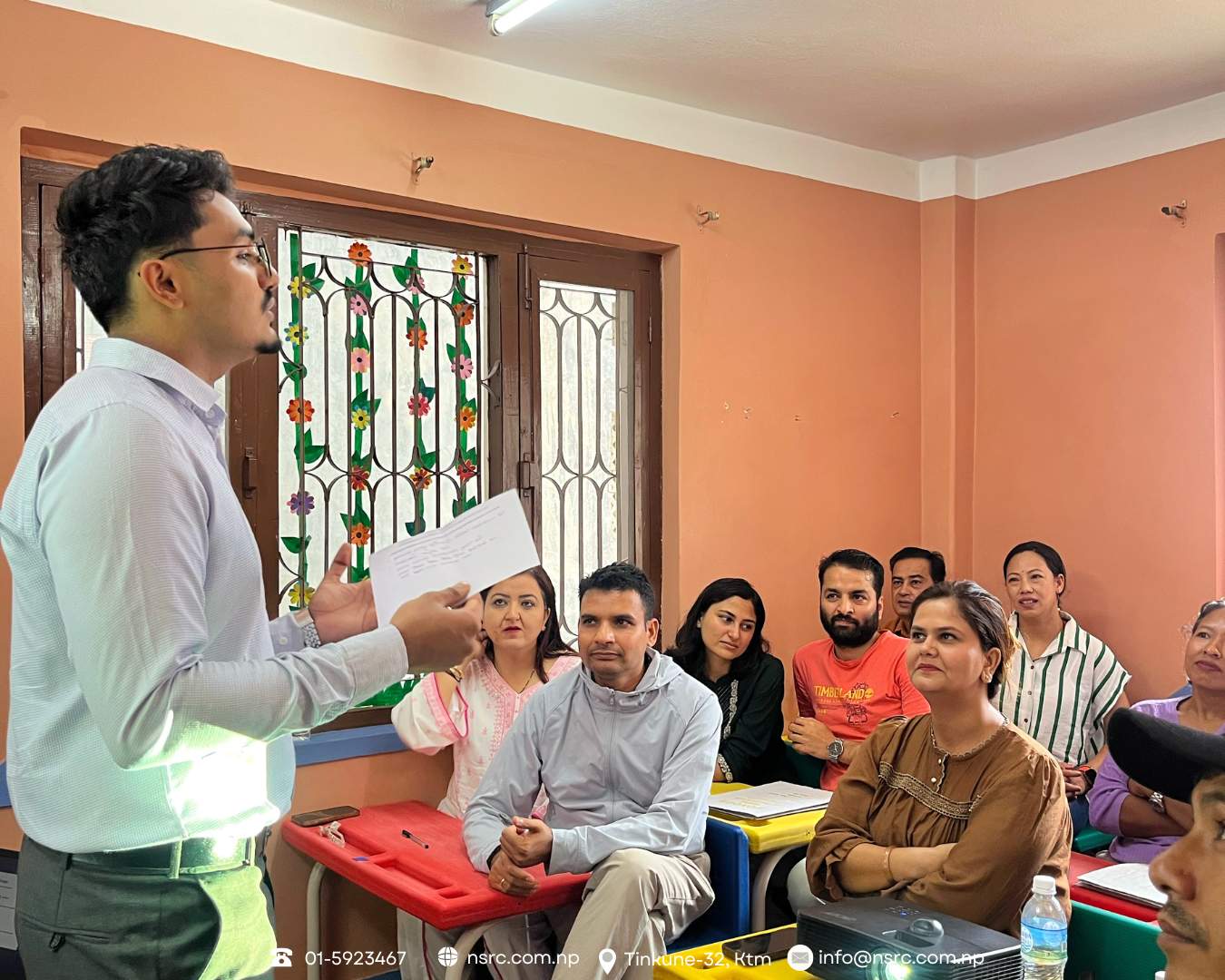
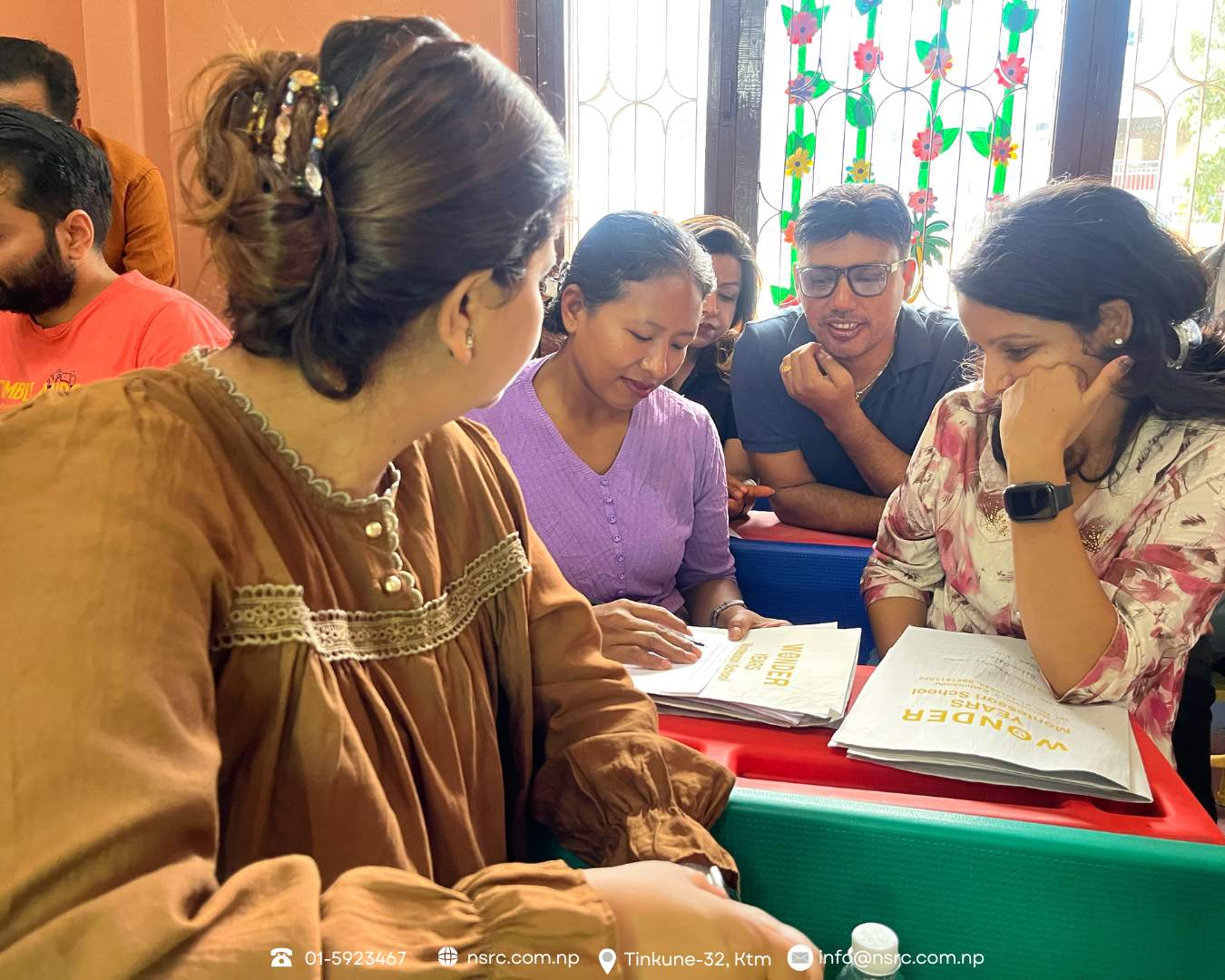
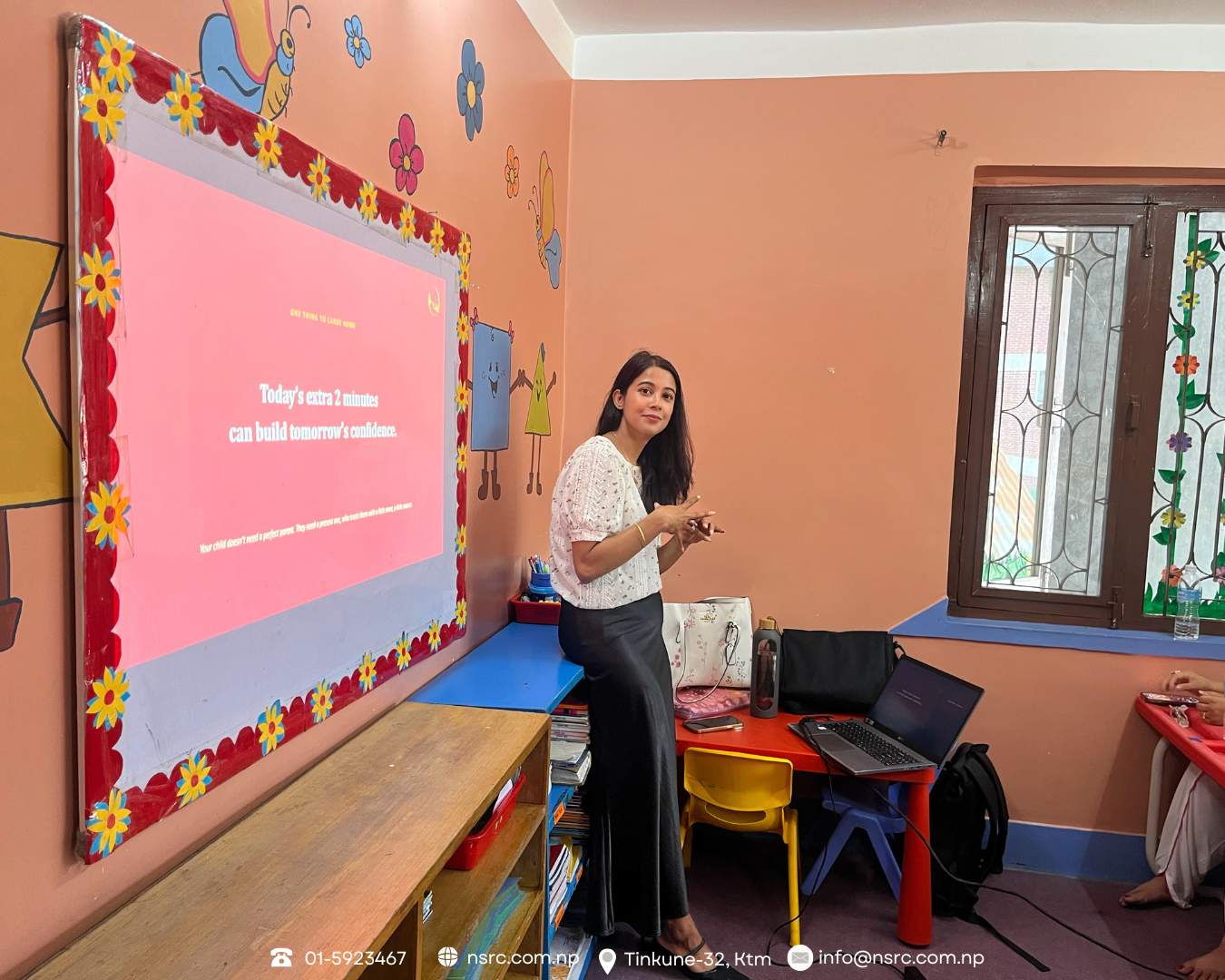
Rather than following a conventional lecture-based approach, the session used interactive presentation, discussion, and reflection. Parents were invited to connect the topics with situations they commonly experience at home, including tantrums, stubbornness, emotional outbursts, communication difficulties, and challenging behaviors. This conversational approach helped make the discussion practical and relatable, while allowing parents to explore the reasons behind children’s behaviors rather than simply receiving instructions on what to do.
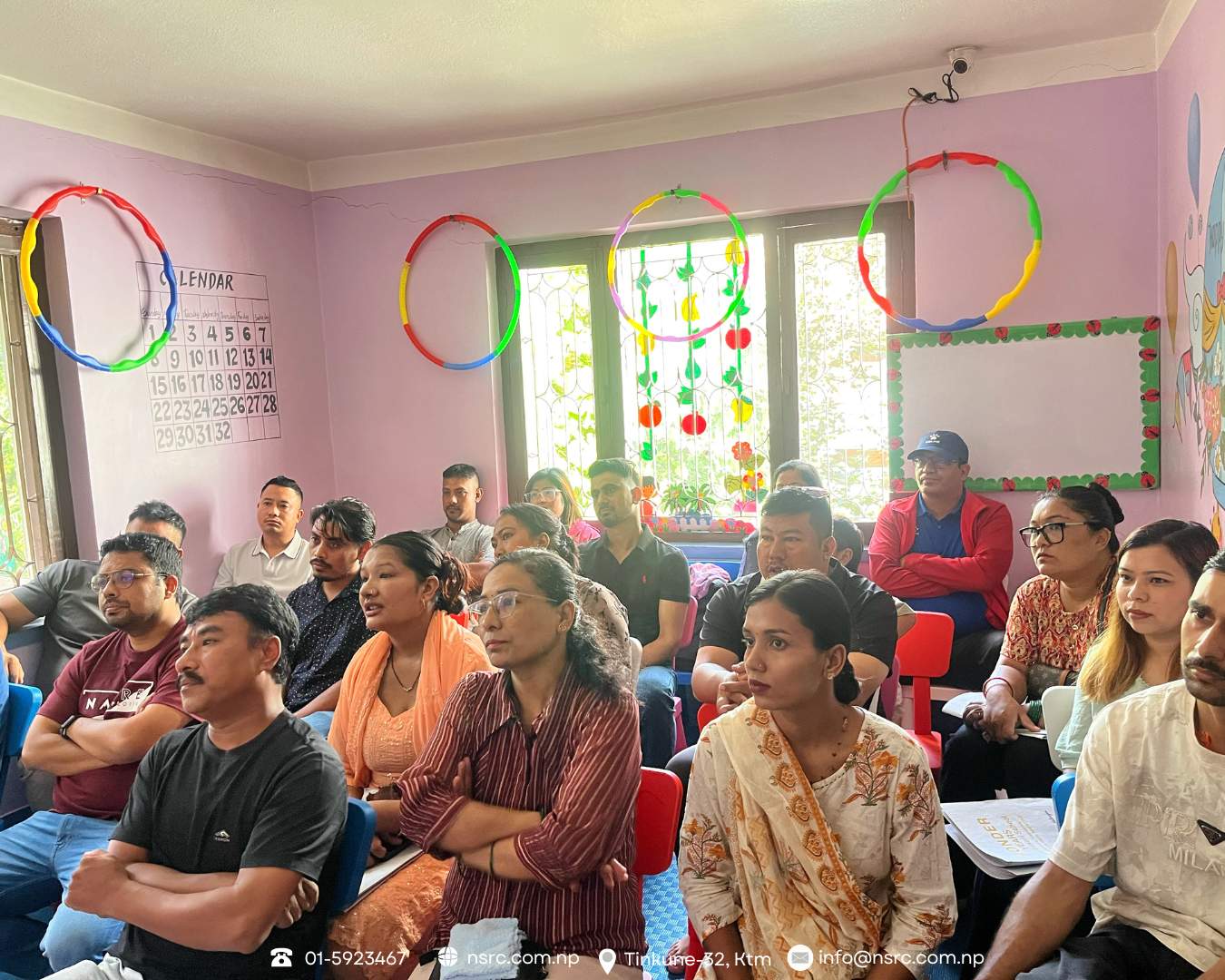
The session was conducted in two groups to encourage meaningful participation and open discussion. Approximately 32 parents participated in the first group and 22 in the second, with each group receiving a two-hour session. The program was led by Psychiatrist Dr. Kanchan Giri, with Dikshant Yadav serving as co-facilitator. Parents were introduced to practical approaches for positive parenting, strengthening parent-child connection, supporting independence, building confidence and responsibility, and responding to challenging situations calmly and effectively.
Overall, the session aimed to make parenting education practical, reflective, and relevant to everyday family life. Parents were expected to leave with a deeper understanding of their children’s behavior and development, greater confidence in supporting their growth, and practical tools to strengthen communication, emotional well-being, and connection at home. The program emphasized that supporting a child’s development goes beyond marks and academic achievement—it also involves creating a nurturing environment where children feel understood, supported, and encouraged to grow independently.