


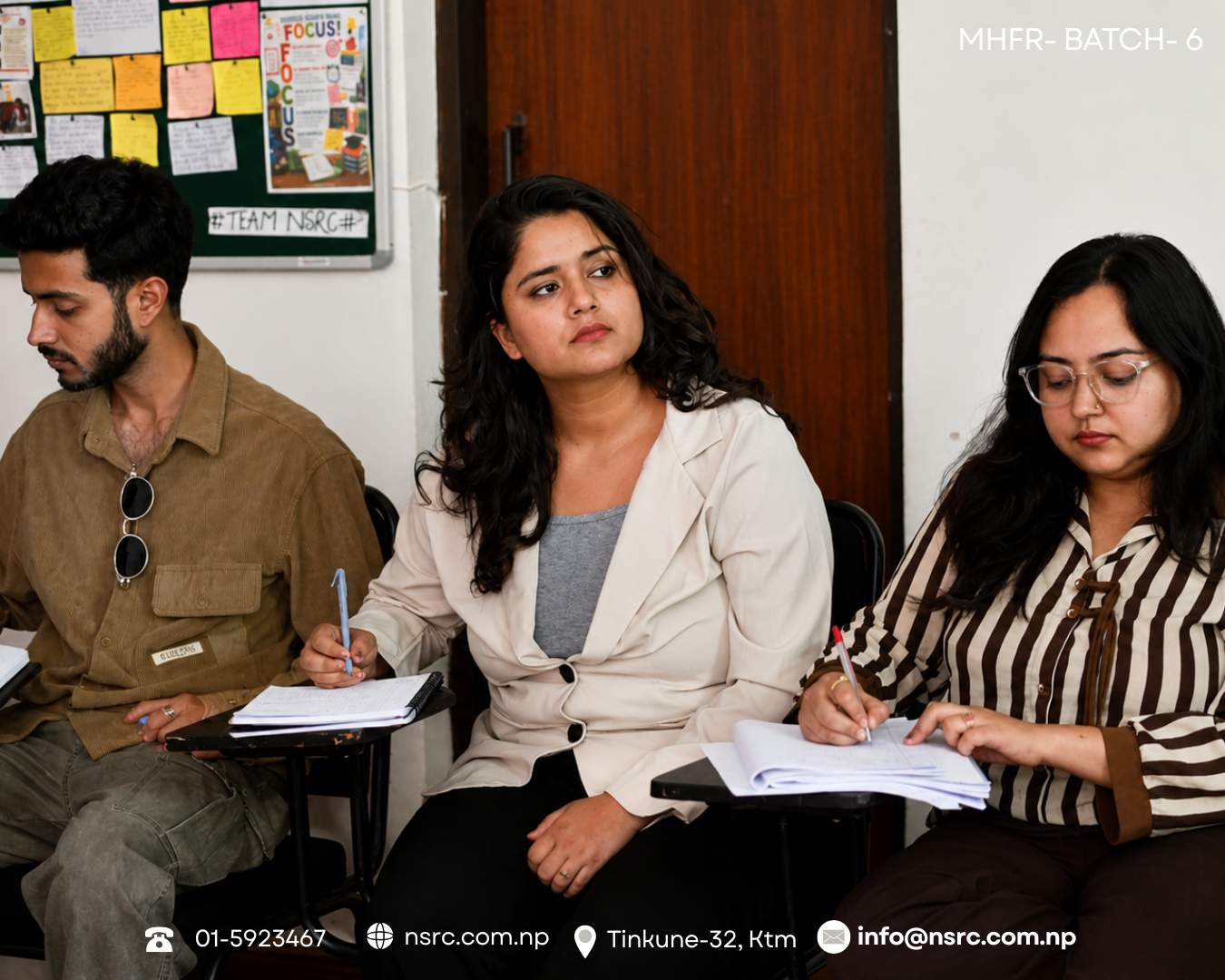

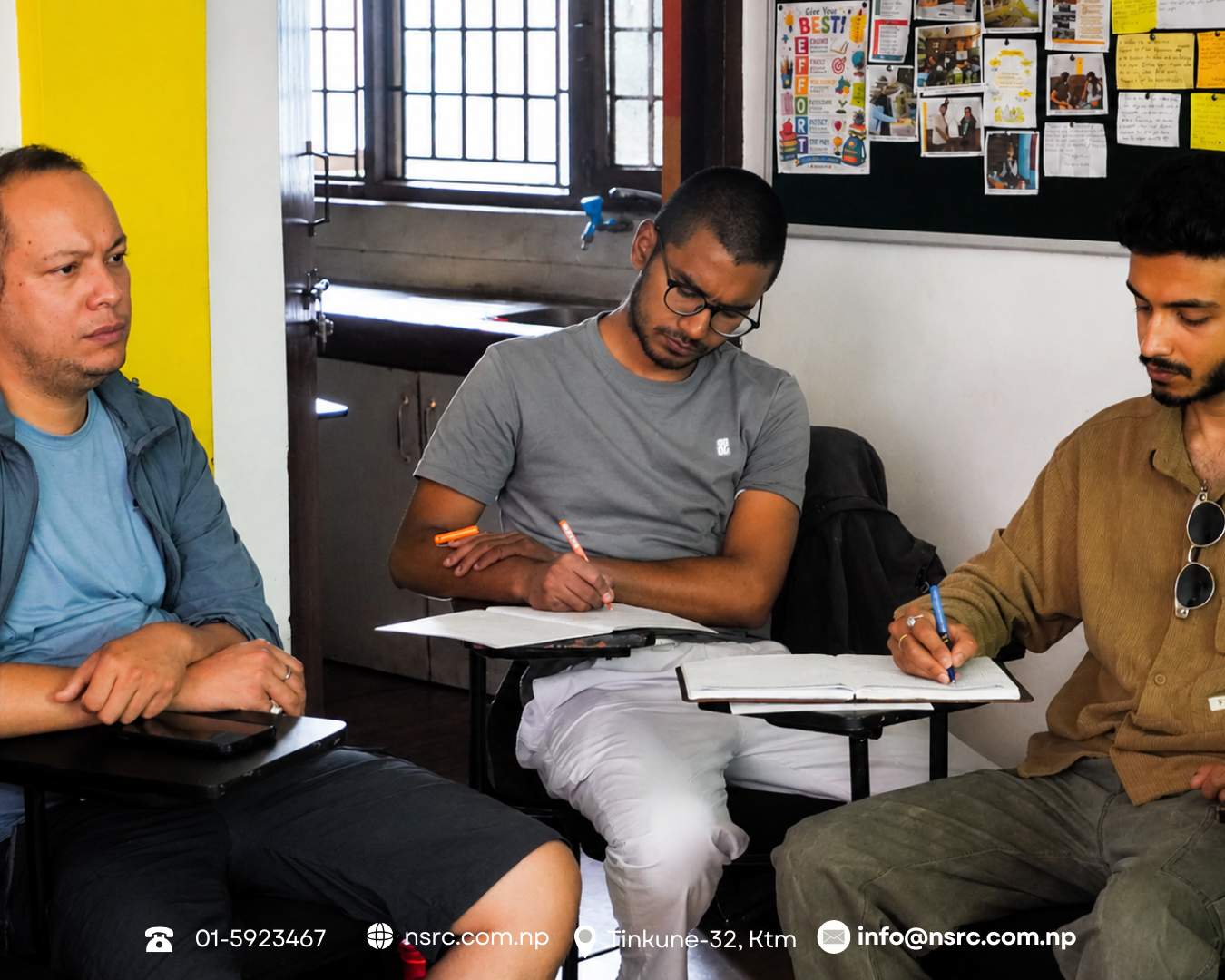
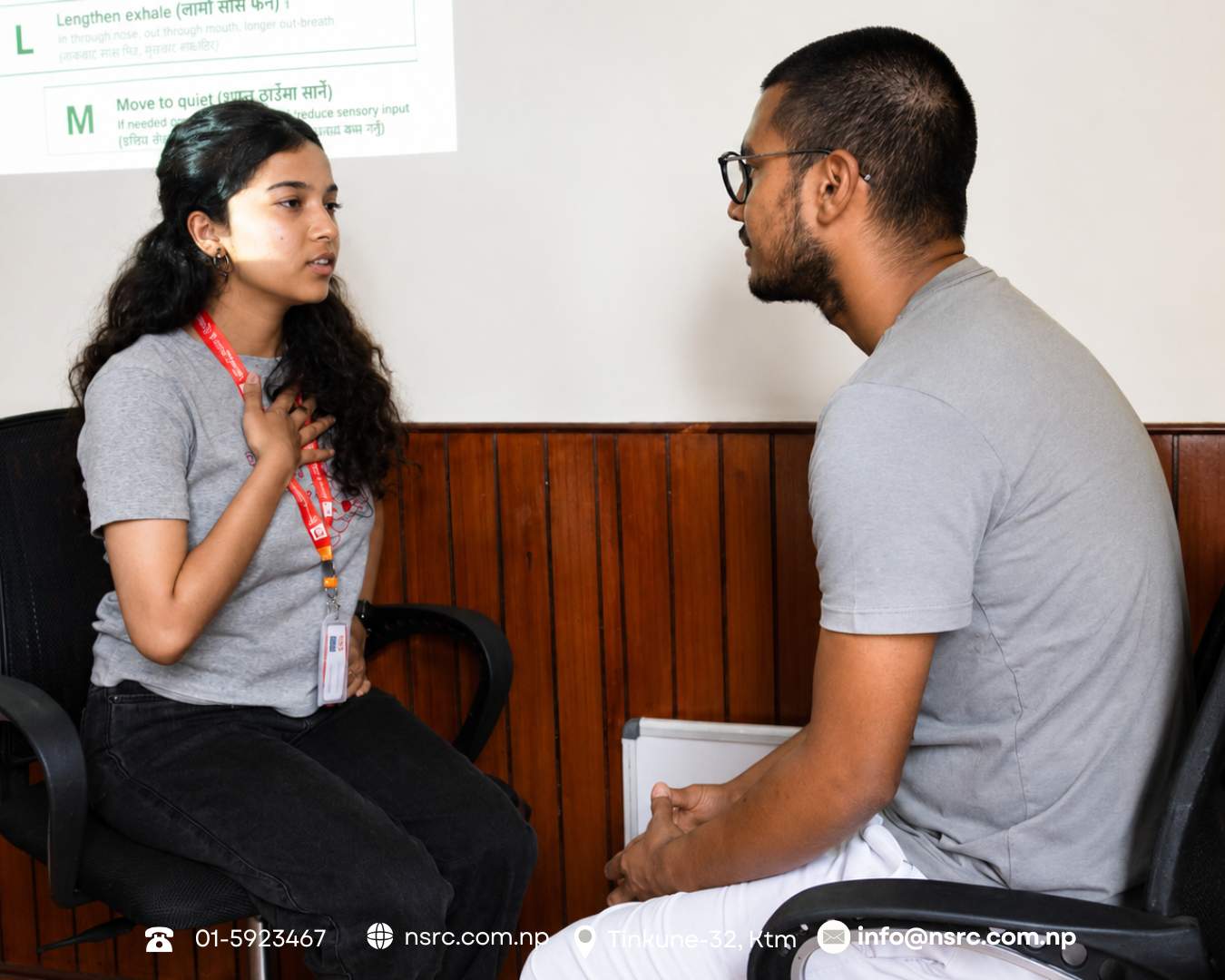
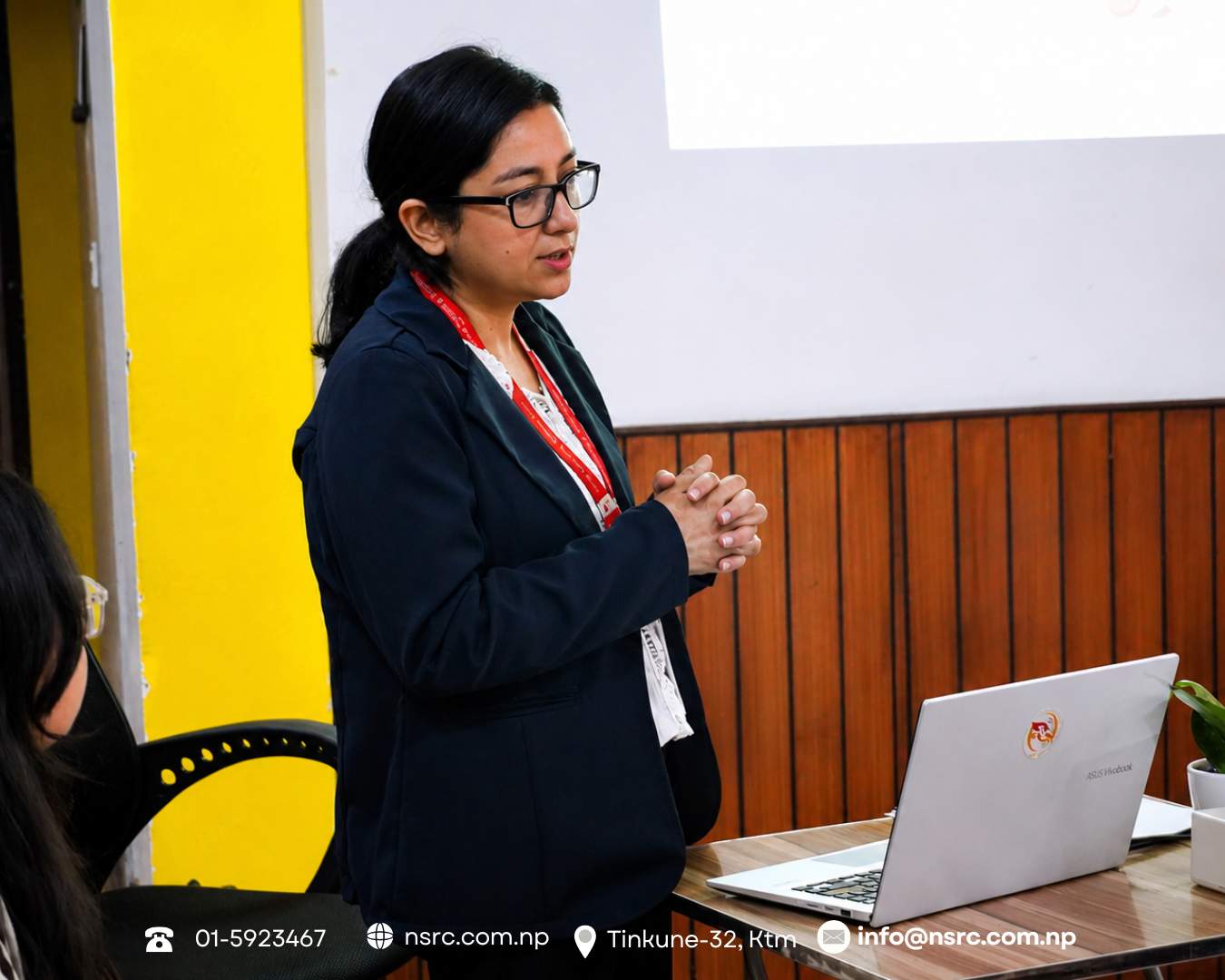
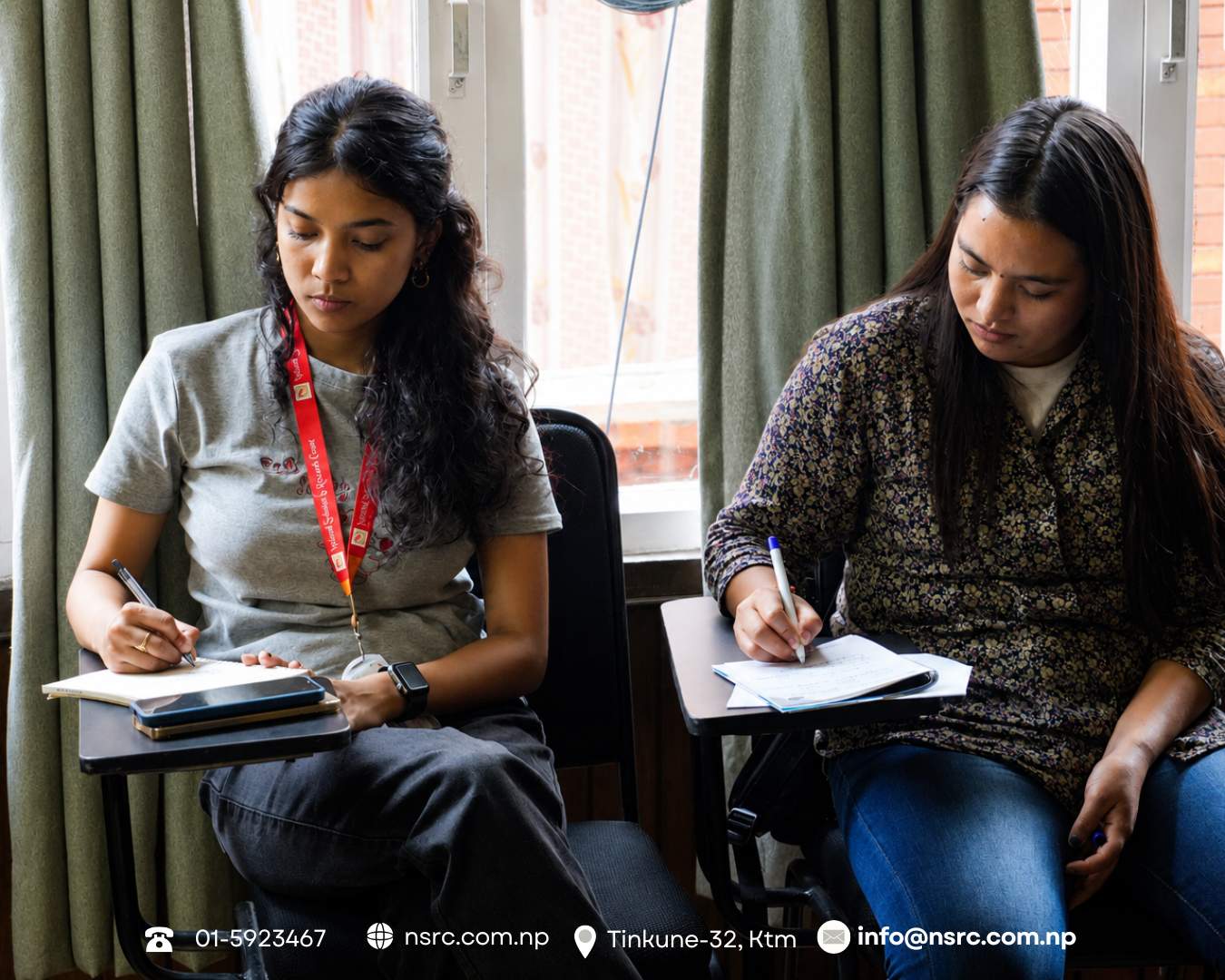
Successfully conducted MHFR- Batch 6
July 15, 2026
On 31st Ashar, we successfully conducted the 6th Batch of the Mental Health First Responders (MHFR) Training, marking yet another meaningful step toward strengthening community-based mental health support. Mental Health First Responders (MHFR) Training is a program built around a simple but powerful idea: most mental health crises don't happen in a clinic. They happen in living rooms, classrooms, workplaces, and on ordinary days that suddenly stop feeling ordinary. In those moments, what matters most isn't always a diagnosis , it's a person nearby who knows how to stay calm, listen well, and help.
This batch brought together 10+ passionate and committed participants who dedicated their time and energy to learning how to become the first line of support for individuals experiencing mental health crises. Through this training, participants explored not only how to recognize signs of emotional and psychological distress but also how to respond with empathy, confidence, and appropriate immediate care.
Throughout the training, participants gained practical skills and hands-on understanding to respond effectively to a range of mental health crisis situations, including panic attacks, emotional overwhelm, suicide disclosures, severe dissociation, and acute stress reactions. The session also focused on developing competencies in psychological first response, supportive crisis communication, referral pathways, grounding techniques, and the use of active listening and empathy to provide immediate, compassionate, and informed support until professional help becomes available.
The session was facilitated by Psychiatrist/Psychologist Ms. Sujata Sitoula, who guided participants through practical and evidence-informed approaches to crisis response and mental health support. Her facilitation emphasized both knowledge and real-world application, creating a safe and engaging learning environment.
What made the training meaningful wasn't only the technical content. It was the space it created — for shared experiences, honest reflection, and participants slowly building the confidence to imagine themselves as a source of support in their own communities, workplaces, and homes.
Ten more trained responders now carry that readiness forward — proof that with the right training, anyone can become someone else's steady presence on a hard day.